Rubbish Junk Health and Safety Policy
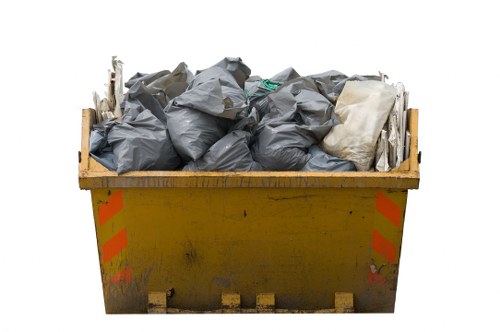 Rubbish Junk operations require a clear and consistently applied health and safety policy to protect staff, clients and the public. This policy sets out the responsibilities and measures for safe rubbish removal, junk clearance and general waste handling across all routine tasks. It is designed to be practical, scalable and focused on reducing risk through prevention, training and active supervision. The commitment to safety is the foundation of every clean-up, collection and clearance activity conducted by the team.
The purpose of this policy is to identify hazards associated with rubbish and junk services, outline control measures, and ensure safe systems of work are followed. It covers manual handling during rubbish removal, safe operation of vehicles and plant, site-specific risk assessments for junk removal projects, and procedures for dealing with hazardous materials. Managers and crew leaders are required to embed these standards into everyday practice and to communicate them clearly to all personnel.
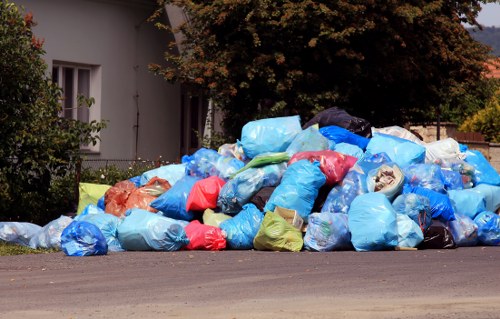 A risk-based approach is adopted for all tasks involving rubbish clearance and waste handling. Key risks include manual lifting, sharp objects, biological contaminants, slips, trips and falls, vehicle movements and interaction with members of the public. Each task is appraised and appropriate controls applied, including use of mechanical aids, safe lifting techniques, and clear segregation of recyclable and non-recyclable items. Junk removal teams must follow the established controls and report any gaps immediately so preventative action can be taken.
Roles, Responsibilities and Training
All staff involved in rubbish and junk operations have defined responsibilities. Supervisors shall ensure safe work planning and that team briefings occur before work starts. Crew members must follow instructions, use provided personal protective equipment (PPE) and participate in safety training. Managers are responsible for maintaining records of training, ensuring competency and arranging refresher sessions. Competence is assessed through observed practice and documented verification.
 Training covers manual handling, the correct selection and use of PPE, safe vehicle loading for rubbish collection, and awareness of hazardous items such as batteries, chemicals and asbestos-containing materials. Toolbox talks and on-site briefings provide practical reinforcement. Where specialist removal is required, certified contractors are employed and their safety arrangements are checked prior to engagement.
Personal protective equipment is mandatory for rubbish and junk handling tasks: gloves, hi-visibility clothing, steel-toe boots and eye protection for specific operations. PPE is issued, inspected regularly and replaced when damaged. Hand hygiene and cleaning protocols are enforced to reduce infection risk after handling waste or contaminated items.
Safe Work Practices and Incident Management
Safe systems for rubbish removal include pre-task risk assessments, cordoning off work zones to protect the public, clear signage and safe positioning of vehicles. Manual handling aids such as trolleys and lifting straps are provided to reduce strain during junk clearance. Vehicle checks and load securement must be completed before transit. Vehicle safety procedures include reversing minimisation strategies and the use of banksmen where necessary to prevent collisions.
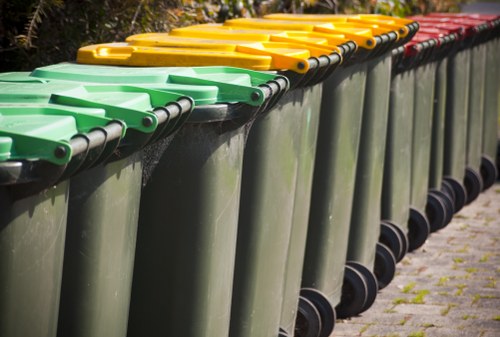 In the event of an incident, immediate measures to protect life take precedence: secure the area, provide first aid and summon emergency services if required. All incidents and near misses are to be reported through the company reporting system, investigated and acted upon to prevent recurrence. Lessons learned are shared through debriefings and updated risk controls.
 Regular monitoring and continual improvement underpin this policy for reliable rubbish removal and junk clearance services. Safety audits, performance reviews and feedback from crews drive corrective actions. Records of training, inspections and incident investigations are maintained to demonstrate compliance with company standards. Safety is a shared responsibility and everyone involved in rubbish and junk operations is expected to contribute actively to a safe working environment.
- Emergency preparedness: clear procedures and accessible first aid.
- Hazardous materials: identification, segregation and specialist handling.
- Continuous training: regular refreshers and competence checks.
- Record keeping: document inspections, incidents and corrective actions.
Policy review: This health and safety policy for rubbish removal, waste & junk services will be reviewed periodically and updated as required to reflect operational changes and to incorporate improvements coming from audits and incident analyses. Everyone working on rubbish clearance and junk disposal has a duty to act safely and to contribute to a culture where hazards are identified early and managed effectively.