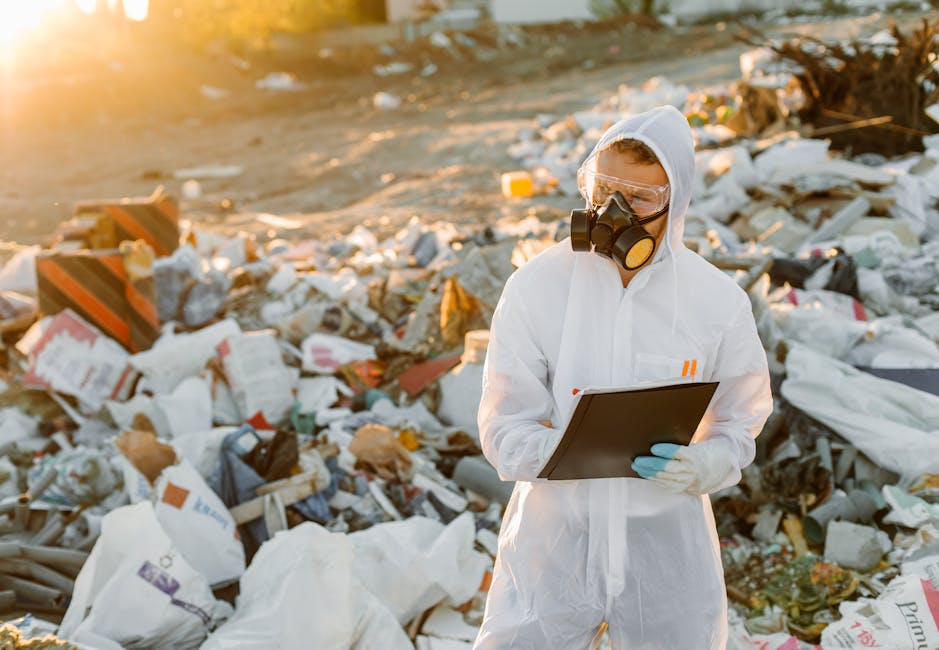
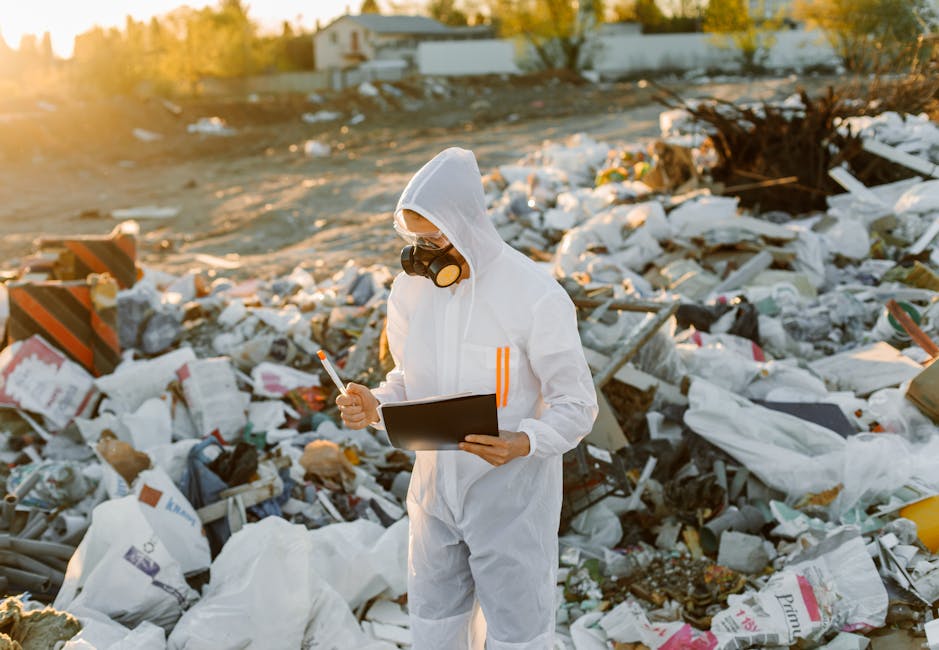
How Professionals Handle Hazardous Household Waste Safely
If you have ever stared at an old can of paint, a leaking battery, or a half-used bottle of strong cleaner and thought, "What on earth am I supposed to do with this?", you are not alone. Hazardous household waste has a way of hiding in plain sight. It sits in garages, under sinks, in lofts, and at the back of kitchen cupboards until the moment you finally decide it needs to go. That is exactly where how professionals handle hazardous household waste safely becomes useful: not just the disposal itself, but the calm, methodical process that keeps people, property, and the wider environment protected.
This guide explains what professionals actually do, why their approach matters, and how you can spot good practice when arranging a clearance or removal. We will look at sorting, containment, transport, compliance, and the small practical details that make a big difference. Truth be told, safe handling is less about dramatic equipment and more about disciplined habits done properly, every single time.
Table of Contents
- Why it matters
- How the process works
- Key benefits and practical advantages
- Who this is for and when it makes sense
- Step-by-step guidance
- Expert tips for better results
- Common mistakes to avoid
- Tools, resources and recommendations
- Law, compliance, standards and best practice
- Options, methods and comparison table
- Case study or real-world example
- Practical checklist
- Conclusion
- Frequently asked questions
Why How Professionals Handle Hazardous Household Waste Safely Matters
Hazardous household waste is not just "messy rubbish". It can burn skin, release fumes, contaminate drains, and create serious fire risks if it is stored or mixed badly. Even items that look ordinary can cause problems when they are damaged, punctured, or combined with the wrong material. A cracked aerosol can in a warm shed, for example, is not something you want quietly sitting there through a summer afternoon.
Professionals understand that risk starts before the van arrives. They look at the type of waste, how it is packaged, where it is stored, and whether anything needs separating. That judgment matters because one careless decision can turn a manageable job into a hazardous one. And let's face it, most households do not keep a colour-coded waste room or a specialist cabinet for chemicals.
There is also an environmental side to this. Some materials can be recycled or treated safely, but only if they are identified correctly. If they are thrown together, they may be rejected at the transfer stage or handled in a way that limits recovery. Good practice protects not just the people on site, but the downstream recycling and disposal chain too.
If you are also clearing out a garage, loft, or full property, it often helps to work with a team that understands wider clearance logistics as well. Services such as home clearance, house clearance, or even garage clearance can be useful when hazardous items are only one part of a larger job.
How How Professionals Handle Hazardous Household Waste Safely Works
The professional process is usually straightforward on the surface, but each stage has a reason behind it. The goal is to reduce exposure, avoid cross-contamination, and make sure the waste ends up at the correct facility or treatment route. In practical terms, that means professionals often follow a chain like this:
- Identify the waste - what it is, how much there is, and whether it is liquid, solid, pressurised, sharp, or toxic.
- Separate it early - do not bundle solvents with batteries, or paint with general rubbish.
- Package it securely - seal containers, use suitable liners or boxes, and prevent leaks.
- Label and document it - so handlers later in the chain know exactly what they are receiving.
- Move it safely - using trained staff, suitable vehicles, and controlled loading methods.
- Send it to the right destination - recycling, specialist treatment, or licensed disposal depending on the item.
That sounds simple enough, but each step protects against different risks. A leaking container is one issue. A chemical reaction between mixed products is another. Broken glass from a medicine cabinet is another again. Professionals do not treat all waste like one big bin bag, because that is where problems start.
In a typical clearance, you might see operatives checking items one by one before lifting them. A bottle of bleach is kept away from acid-based cleaners. Old fluorescent tubes are handled separately from general bulbs. Small batteries are collected rather than chucked into a mixed bag. It is tidy work, but not fussy for the sake of it. There is a reason.
Key Benefits and Practical Advantages
Using professionals for hazardous household waste gives you more than convenience. It gives you control. That matters when you are dealing with materials that can stain, smell, leak, or react unexpectedly.
- Safer handling - trained teams know how to lift, isolate, and contain risky items.
- Less chance of contamination - hazardous and non-hazardous waste are kept apart.
- Better sorting for recycling - usable material can be diverted where appropriate.
- Reduced stress - you do not have to guess which container is safe or which item should be kept separate.
- Cleaner property handover - especially useful before moving, letting, or selling a home.
- Lower chance of accidental damage - no spilt paint on the hall carpet, no punctured canisters, no surprise smells drifting through the place at 9pm.
There is a quiet practical benefit too: experienced crews tend to spot issues early. A bag of mixed waste that includes an old tin of solvent may not look dramatic to you, but a professional will notice the risk immediately. That early attention can prevent delays and extra costs later.
For larger clear-outs, combining hazardous item handling with broader waste services can make the day much smoother. If the job also includes general rubbish or bulky items, a broader waste removal service can help organise everything in one visit rather than turning the process into a weekend-long ordeal.
Who This Is For and When It Makes Sense
This kind of service is useful for a surprising range of people. You might think hazardous waste is only something builders or businesses deal with, but plenty of households generate it without meaning to.
It makes sense if you are:
- clearing a home after a move, renovation, or bereavement
- emptying a garage, loft, shed, or cupboard full of old chemicals
- dealing with broken DIY products, paints, or adhesives
- sorting out old batteries, light tubes, or electrical items
- preparing a property for sale or rental
- helping a relative downsize and finding items with unknown contents
- trying to get rid of a mix of ordinary junk and a few dangerous bits that should not go in the general bin
A common real-world scenario: you are clearing a flat and find old cleaning products under the sink, a few small batteries in a drawer, a cracked thermometer in a bathroom cabinet, and a dusty tin of paint in the airing cupboard. None of it looks dramatic. All of it needs a bit of care.
If the property clearance also involves rooms full of mixed belongings, the broader services on the same site, such as flat clearance or loft clearance, can be relevant alongside hazardous item removal. That is especially true where the waste is spread across multiple rooms and not neatly boxed.
Step-by-Step Guidance
Here is how professionals usually approach the job from the first look to the final handover.
1. Make a careful visual check
The team starts by identifying obvious hazards: corrosive liquids, aerosols, solvents, batteries, sharps, pesticides, flammable liquids, and anything with unreadable or damaged labels. If something is unknown, it is treated cautiously. That is the safe choice, always.
2. Separate by type
Not all hazardous household waste belongs in the same pile. A battery should not sit with old paint. Bleach should not share space with toilet cleaner. Pressurised cans need different handling from broken glass or contaminated cloths. Separation is one of those dull-sounding steps that actually prevents most of the headaches.
3. Contain the waste properly
Professionals use secure, appropriate containers, sometimes with secondary containment in case something leaks. That may mean sealed boxes, lined tubs, or upright storage that prevents tipping during transit. The aim is simple: if something fails, it fails safely.
4. Protect the surrounding area
Good teams think about floors, air flow, and proximity to heat sources. If an item smells strongly, they may ventilate the area or move it carefully before handling the rest of the load. That matters in small rooms, where the air can feel thick quickly.
5. Load the vehicle with care
Hazardous items are placed so they will not crush, tip, or rub against each other. This is not just tidy van-packing; it is risk management. A good operator will think about what could happen if the vehicle brakes suddenly, or sits in traffic on a warm day.
6. Route it to the right place
Depending on the material, the waste may go for specialist treatment, recovery, recycling, or controlled disposal. The route depends on the item, condition, and local receiving facility. There is no one-size-fits-all answer, which is why experienced handling matters so much.
7. Complete the job cleanly
A proper finish includes checking for residue, spill marks, or overlooked items. The last thing anyone wants is a half-finished corner under a sink with a mystery bottle left behind because it looked "a bit nasty" and everyone politely ignored it.
Expert Tips for Better Results
Professionals tend to rely on habits more than heroics. A few small practices make the whole process safer and smoother.
- Keep labels intact where possible. A readable label saves time and reduces guesswork.
- Store upright if the container is liquid or pressurised.
- Do not mix leftovers from different products, even if they seem similar.
- Keep chemicals away from heat, sunlight, and ignition sources.
- Tell the team about hidden items before they start lifting boxes or bags.
- Use original containers when available, because repackaging can be risky.
- Flag anything unknown rather than trying to identify it by smell or colour alone.
One very practical tip: take a quick room-by-room sweep before the crew arrives. Look under sinks, in utility cupboards, behind paint tins, and inside storage boxes. You will be surprised how often the smallest item is the one that causes the most trouble. It is a bit annoying, yes, but worth the five minutes.
If you are arranging a larger clearance and want the whole process to feel less chaotic, reading the company's own health and safety policy and insurance and safety information can also help you understand how they work. It gives you a sense of whether their approach is practical and properly considered, not just sales talk.
Common Mistakes to Avoid
Most incidents with household hazardous waste come from ordinary mistakes rather than dramatic ones. That is the annoying part. It is often the small shortcut that causes the issue.
- Putting everything in one bag - this makes leaks, reactions, and breakage more likely.
- Pouring liquids down drains - that can damage pipes and create environmental problems.
- Opening sealed containers unnecessarily - if a product is stable and intact, opening it can make things worse.
- Assuming "old" means harmless - age does not make chemicals safe.
- Dropping batteries into mixed rubbish - they need separate handling because of fire and leakage risks.
- Leaving aerosol cans in hot storage - heat and pressure are a bad combination.
- Ignoring unknown powders or liquids - treat them cautiously until identified.
Another common mistake is underestimating awkward items. A small container of paint stripper may seem harmless because it is tiny, but tiny often means forgotten. Forgotten means left behind. Left behind means someone stumbles across it later during a move or refurb, usually at the least convenient moment possible.
Tools, Resources and Recommendations
Professionals use a fairly modest set of tools, but the right gear makes a real difference. You do not need a laboratory on wheels. You do need the basics done properly.
| Tool or item | Why it matters | Typical use |
|---|---|---|
| Heavy-duty gloves | Helps reduce contact with irritants and sharp edges | Handling containers, broken items, and outer packaging |
| Protective eyewear | Reduces splash risk | Liquids, dusty residues, or breakable containers |
| Sealable tubs or boxes | Prevents leaks and keeps categories separate | Sorting batteries, small containers, and mixed small items |
| Absorbent material | Helps contain minor leaks during transport or staging | Liquids, spill-prone packaging, and double containment |
| Labels or markers | Supports identification and safer downstream handling | Marking contents and warning notes |
| Sturdy sack or liner | Offers a clean internal barrier for non-liquid contaminated waste | Secondary containment inside boxes or bins |
Useful recommendation: if you are not sure whether an item is hazardous, do not rely on guesswork or internet myths. Keep it isolated, keep it visible, and tell the removal team exactly what it is and where it was found. That little bit of honesty is immensely helpful.
For households already planning a larger clear-out, you may find it easier to bundle the safe, non-hazardous items into an organised service such as furniture disposal or furniture clearance, while leaving the hazardous items clearly separated for special handling. That makes the day less frantic. Which, frankly, we all appreciate.
Law, Compliance, Standards and Best Practice
When hazardous household waste is handled professionally in the UK, the important point is not memorising every legal detail yourself. It is understanding that proper handling follows accepted waste management practice, duty-of-care principles, and the expectation that waste will be kept secure, identifiable, and passed to the right recipient.
In plain English, this means a responsible operator should be able to explain what happens to the waste, avoid mixing incompatible materials, and keep records or processes appropriate to the job. For some jobs, especially where there is a larger mixed load or any commercial element, proper documentation matters even more.
Best practice also includes:
- using trained staff for potentially hazardous materials
- keeping waste secure during collection and transport
- using appropriate PPE where needed
- segregating material to reduce contamination
- working with facilities that can accept the waste safely
If you are comparing providers, it is reasonable to ask how they manage safety, whether they separate hazardous items, and how they approach recycling and disposal. A good company should answer clearly without sounding vague or evasive.
For wider reassurance around business practices and site standards, pages such as recycling and sustainability and about us can help you understand their general approach, while terms and conditions can set expectations on how the service is delivered. It is not glamorous reading, granted, but it is useful.
Options, Methods and Comparison Table
There are a few ways to deal with hazardous household waste, and the best choice depends on the type of item, the quantity, and how quickly it needs removing. The comparison below keeps things simple.
| Method | Best for | Pros | Limitations |
|---|---|---|---|
| Self-delivery to a facility | Small, clearly identified items | Can be simple for one-off disposals | Requires time, transport, and careful packaging |
| General household waste collection | Non-hazardous rubbish only | Easy for ordinary bins and recycling | Hazardous items usually cannot go in mixed bins |
| Professional clearance service | Mixed loads, awkward items, or unknown products | Safer, faster, more organised | May cost more than doing it yourself, depending on volume |
| Property-wide clearance with sorting | Moves, estate clearances, or major decluttering | Efficient for multiple waste types in one visit | Needs clear instructions about hazardous items |
There is no perfect method for every situation. A single unopened battery box is one thing. A garage full of mixed chemicals is another. A professional service tends to make the most sense when the waste is awkward, uncertain, or simply too much to deal with safely on your own.
Case Study or Real-World Example
Imagine a family clearing out a late relative's house in south London. The garage contains old tins of paint, a cracked bleach bottle, a few batteries, some automotive fluids, and general clutter stacked right up to the back wall. The family can see the job is bigger than expected. There is that familiar moment of silence where everyone looks at the same shelf and nobody really wants to touch it.
A professional crew would usually begin by isolating the clearly hazardous items from the rest of the garage contents. The paint tins would be checked for leaks and stability. The bleach would be separated from any acid-based cleaning products. Batteries would be collected into a dedicated container. Any unknown container would be treated cautiously until identified. The remaining non-hazardous items could then be cleared in a separate stream.
What makes this approach effective is not speed alone. It is order. The family gets a cleaner, safer space without needing to make quick decisions under pressure. The crew does not have to improvise with risky materials. And the whole property can move forward, whether that means sale, refurbishment, or just breathing room again.
That kind of calm, steady process is what people usually want when they ask for professional help. Not drama. Not guesswork. Just a proper job done safely.
Practical Checklist
Use this checklist before any hazardous household waste is collected or moved.
- Identify all suspect items under sinks, in sheds, garages, and lofts.
- Keep liquids upright and containers sealed.
- Separate chemicals, batteries, aerosols, sharps, and bulbs.
- Do not mix different cleaning products or leftover liquids.
- Keep hazardous waste away from children, pets, and heat sources.
- Tell the collection team about any unknown or unlabeled items.
- Pack items so they will not tip or break during handling.
- Remove general rubbish from the same area if it is safe to do so.
- Check whether the provider explains safety, insurance, and disposal handling clearly.
- Ask what happens to items that can be recycled or require specialist treatment.
Quick expert summary: the safest process is always the one that separates risk early, contains it properly, and hands it to a team that knows how to manage it without improvising. Simple, but not always easy. That is the truth of it.
Conclusion
Hazardous household waste is rarely the biggest part of a home clearance, but it is often the part that needs the most thought. Professionals handle it safely by identifying items carefully, separating incompatible materials, using the right containment, and sending waste down the correct route. That careful routine protects people, avoids messy incidents, and gives you real peace of mind.
If you are planning a clear-out, especially one that includes mixed waste, old household chemicals, or bulky items alongside hazardous materials, it is worth choosing a team that understands both safety and practicality. A well-run job feels calm. It looks calm too, which is nice when your hallway is full of boxes and the kettle is already on for the second time.
Get a free quote today and see how much you can save.
Frequently Asked Questions
What counts as hazardous household waste?
It usually includes items that can burn, leak, corrode, poison, or react dangerously, such as paints, solvents, batteries, aerosols, certain cleaners, pesticides, and some electrical items.
Can I put hazardous waste in my normal bin?
No, not unless the item is specifically allowed by your local collection rules. In most cases, hazardous household waste should be kept separate and handled through a suitable disposal route.
Why do professionals separate hazardous items before loading?
Because different materials can react with each other, leak during transport, or create fire and contamination risks. Separation reduces those risks and makes later treatment safer.
Do professionals need special equipment for this kind of waste?
Often, yes. The exact kit depends on the item, but gloves, protective eyewear, sealed containers, absorbent material, and proper segregation are common parts of safe handling.
What should I do if I find an unlabeled container?
Do not open it unless there is a clear reason and it is safe to do so. Keep it isolated, avoid moving it around unnecessarily, and tell the removal team where it was found.
Is it cheaper to deal with hazardous waste myself?
Sometimes, for a small amount of clearly identified material. But if the waste is mixed, awkward, or uncertain, professional handling often saves time and reduces the risk of mistakes.
Can hazardous household waste be recycled?
Some items can be recovered or recycled, but only through the correct route. That depends on the material, its condition, and where it is sent. Professionals sort this out as part of the process.
How do professionals stop leaks during transport?
They use sealed containers, upright loading, secondary containment where needed, and careful vehicle stacking so items do not crush or tip over in transit.
What is the biggest mistake people make with hazardous waste?
Mixing everything together. It seems quicker at the time, but it creates the most risk, especially when liquids, batteries, aerosols, and unknown products are involved.
How do I prepare my home before a hazardous waste collection?
Gather the suspect items, keep them separate, leave labels intact if possible, and make sure the team knows exactly what they are collecting. A few minutes of prep usually makes the visit much smoother.
Should I choose a clearance service or a specialist hazardous waste company?
For small or mixed household jobs, a professional clearance team with solid safety procedures may be enough. For larger or more complex hazardous loads, a specialist route may be more suitable. The right choice depends on the material and the quantity.
What if I also need furniture or room clearance at the same time?
That is common. Many people combine hazardous waste handling with broader clearance work such as furniture removal or full-house sorting so the job is dealt with in one organised visit rather than several.
At the end of the day, safe waste handling is one of those jobs that looks simple only when it has been done properly. The careful way is usually the best way, and that is reassuring enough on its own.